
On-Grid vs Off-Grid Solar Systems: Which is Better?
On-Grid vs Off-Grid Solar Systems: Which is Better?
Understanding the Two Systems
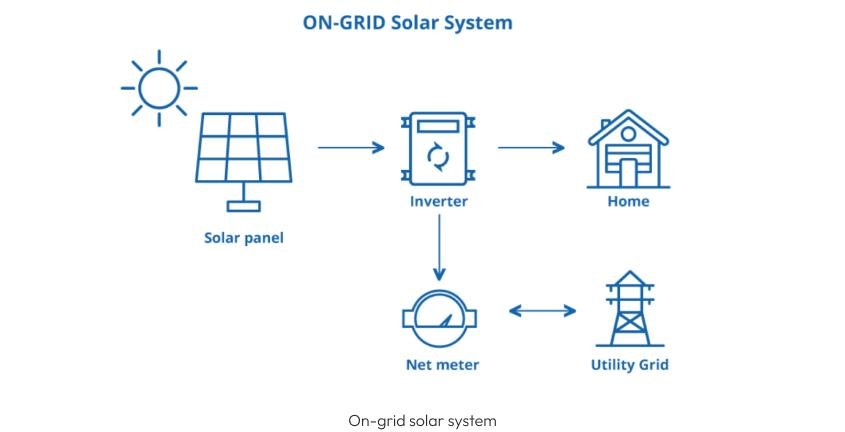
When choosing a solar setup, one of the most important decisions is whether to go with an on-grid system or an off-grid system. Both systems serve the same purpose generating electricity but they operate in very different ways and are designed for different needs. The right choice depends on factors such as budget, location, electricity usage, and reliability requirements.What is an On-Grid Solar System?

Key Features
- Connected to the utility grid
- No battery required (optional in some cases)
- Supports net metering (in many regions)
Advantages
- Lower Cost: Since batteries are not required, the initial cost is significantly lower.
- Efficient Use of Energy: Excess electricity is not wasted; it is sent to the grid.
- Reduced Electricity Bills: You can offset your electricity usage through net metering.
- Simple System Design: Easier to install and maintain compared to off-grid systems.
Disadvantages
- No Backup During Power Outages: If the grid goes down, your system shuts off for safety reasons.
- Dependency on Grid: You still rely on the utility company.
- Policy Dependence: Benefits like net metering depend on government policies.
Best For
- Urban areas with reliable electricity supply
- Users looking to reduce electricity bills
- People with limited budget
What is an Off-Grid Solar System?

Key Features
- Not connected to the grid
- Requires battery storage
- Fully independent energy system
Advantages
- Energy Independence: No reliance on the utility grid.
- Power During Outages: Continuous electricity even when there is no grid power.
- Ideal for Remote Areas: Perfect for locations where grid access is not available.
Disadvantages
- High Initial Cost: Batteries and additional components increase cost.
- Maintenance Required: Batteries require regular maintenance and replacement.
- Energy Limitations: Power supply depends on battery capacity and sunlight availability.
Best For
- Remote or rural areas
- Locations with frequent power outages
- Users who want complete independence
Key Differences Between On-Grid and Off-Grid Systems
1. Connection to Grid
- On-Grid: Connected to utility grid
- Off-Grid: Completely independent
2. Cost
- On-Grid: Lower initial investment
- Off-Grid: Higher cost due to batteries
3. Electricity Backup
- On-Grid: No backup during outages
- Off-Grid: Provides backup through batteries
4. Energy Storage
- On-Grid: Usually no storage
- Off-Grid: Requires battery storage
5. Maintenance
- On-Grid: Low maintenance
- Off-Grid: Higher maintenance due to batteries
6. Suitability
- On-Grid: Best for cities and stable electricity areas
- Off-Grid: Best for remote or unreliable grid areas
Which System is More Cost-Effective?
If we compare purely on cost, on-grid systems are more affordable. They require fewer components and have lower installation and maintenance costs. Additionally, the ability to sell excess electricity back to the grid (through net metering) makes them financially attractive. On the other hand, off-grid systems require a higher upfront investment because of batteries and backup systems. However, they eliminate electricity bills completely and provide independence, which can be valuable in certain situations.Which System is More Reliable?
Reliability depends on your location:- In areas with stable electricity, on-grid systems work efficiently and are reliable for daily use.
- In areas with frequent load shedding, off-grid systems are more reliable because they provide continuous power.
Hybrid Solar System: A Balanced Option
A hybrid solar system combines features of both on-grid and off-grid systems. It is connected to the grid but also includes battery storage.Benefits of Hybrid System
- Backup during power outages
- Ability to store excess energy
- Reduced electricity bills
- Greater flexibility
Factors to Consider Before Choosing
Before deciding which system is better, consider the following:1. Budget
If you have a limited budget, an on-grid system is the better option.2. Power Outages
If your area experiences frequent load shedding, an off-grid or hybrid system is more suitable.3. Location
Remote areas without grid access require off-grid systems.4. Energy Needs
High energy users may benefit from hybrid systems for better control and storage.5. Government Policies
Check if net metering or incentives are available in your area.Final Verdict: Which is Better?
There is no single answer to which system is better—it depends on your situation:- Choose on-grid if you want lower cost and reduced electricity bills.
- Choose off-grid if you need complete independence and backup power.
- Choose hybrid if you want the best of both worlds.


0 Comments